




















































Pet care tools built for the animal you actually have
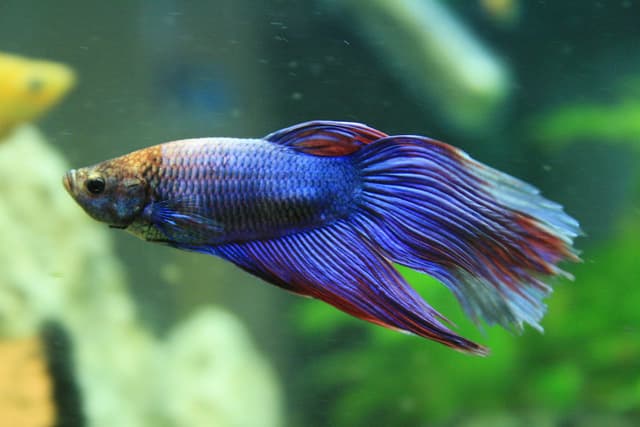
Most pet advice online is written with a dog or a cat in mind, and everyone else is expected to make it fit. That works badly. A leopard gecko does not eat, grow or age anything like a rabbit, and a betta fish has more in common with its water than with either of them. XpertsPet started from a simple idea: every species should get answers that were worked out for that species.
That is why this page lists 101 pets rather than a handful of popular ones. Each has its own set of calculators, planners and checkers, 2,070 in total, and each one runs on reference data for that animal: its typical lifespan, adult weight range, diet type, breeding timeline and the conditions it needs to stay healthy.
What you will find for each pet
Open any pet above and you will see its tools grouped by the kind of question they answer. The groups are the same across the site, so once you know your way around one pet, you know your way around all of them.
Everyday care
The tools people use most cover the basics of looking after an animal well. Age calculators turn a birthday into a life stage you can plan around. Weight and growth tools show whether a young animal is on track and whether an adult is holding steady. Nutrition calculators work out daily calories, portion sizes, feeding schedules and water needs, and the toxic food checkers tell you what to keep out of reach.
For a dog or a cat that might mean converting age to human years or checking body condition. For a chicken it is more likely to be feed rations, coop space and egg yield. The topic is the same; the numbers behind it are not.
Housing and environment
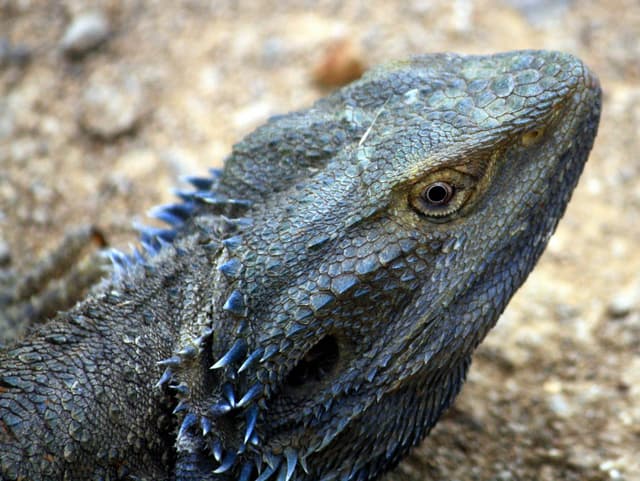
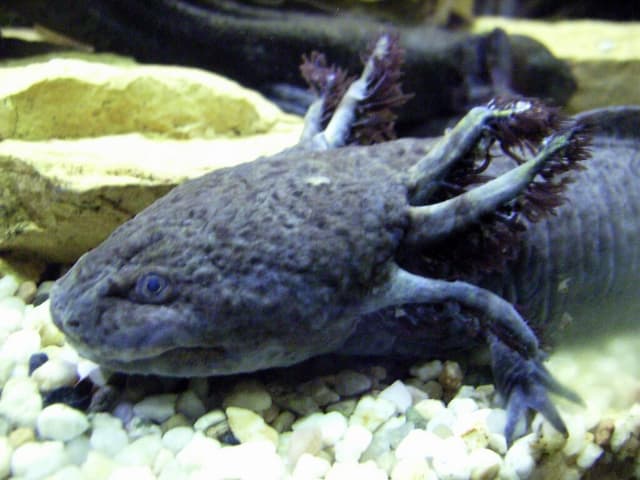
Space and conditions are where many pets quietly struggle. The housing calculators size cages, crates, hutches, tanks, coops and paddocks from the animal's adult size and activity level, and they work out how much bedding or substrate you need. For reptiles, amphibians and fish, the environment and water tools check temperature, humidity, lighting and water quality against the ranges each species needs. If you keep a bearded dragon, an axolotl or a goldfish, these are probably the tools you will come back to most.
Health, breeding and the bigger decisions
Health tools help you build vaccination and check-up schedules, score body condition and judge how urgent a symptom might be. Breeding tools count gestation and incubation days and estimate litter or clutch sizes. Cost calculators show what an animal really costs to keep, month by month, which is worth knowing before one comes home rather than after.
How the tools help you learn, not just get a number
A number on its own is not very useful. Every tool page explains what the tool measures, how to use it and how the result is worked out, in plain language. Below that you will find the sources the figures come from, such as veterinary manuals, university extension services and welfare organisations, so you can read further and judge the reference for yourself.
We also try to be honest about limits. Each page says what can push a result away from the average: breed, body condition, age, health conditions or the way you measured. That way the tool teaches you which details matter for your animal, and over time you need the calculator less, which we think is the point.
Why we made it simple
People usually reach for a pet calculator at a specific moment: a new puppy has arrived, a hen has stopped laying, the vet mentioned weight, or a tank looks cloudy. In those moments nobody wants to create an account or wade through adverts to get an answer. So every tool on XpertsPet is free, works in your browser and shows the result straight away. Nothing you type is stored on our servers.
You can also save or share results. Many owners keep a note of the date and figure each time, which turns a one-off calculation into a record you can take to your vet. A vet can do far more with "she has gained 300 grams in two months" than with "she seems heavier".
Finding the right pet
The pets above are grouped the way most owners think about them:
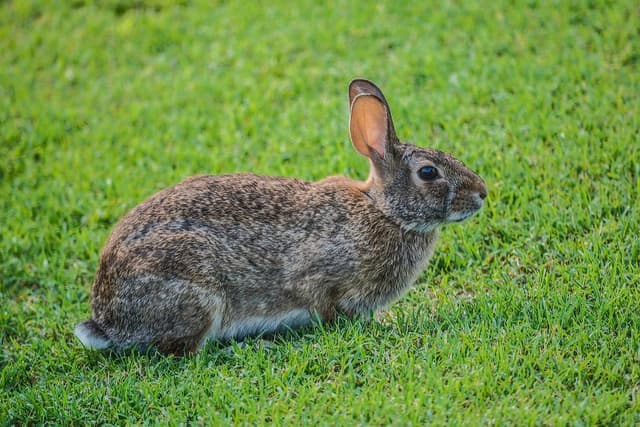
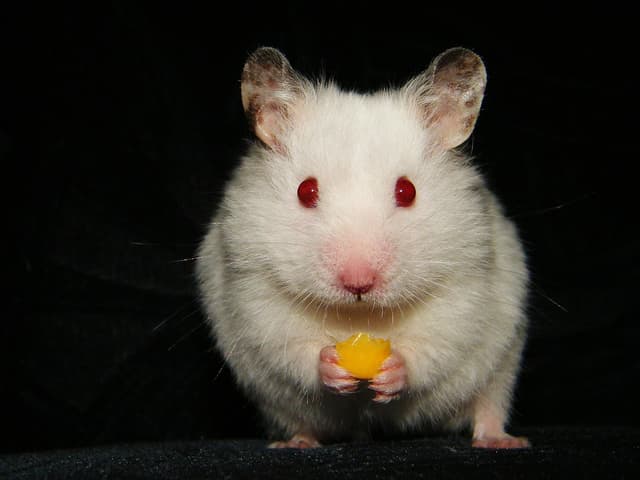
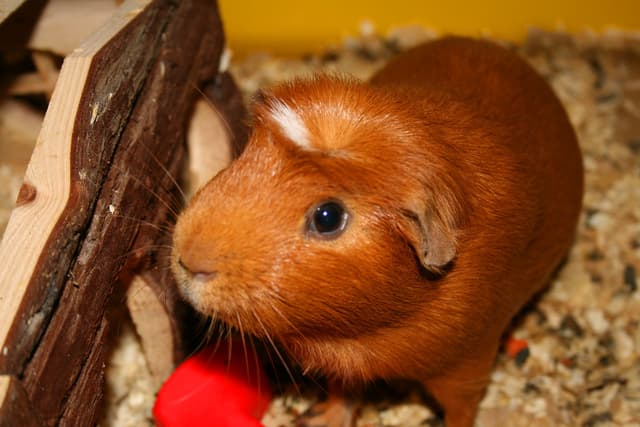
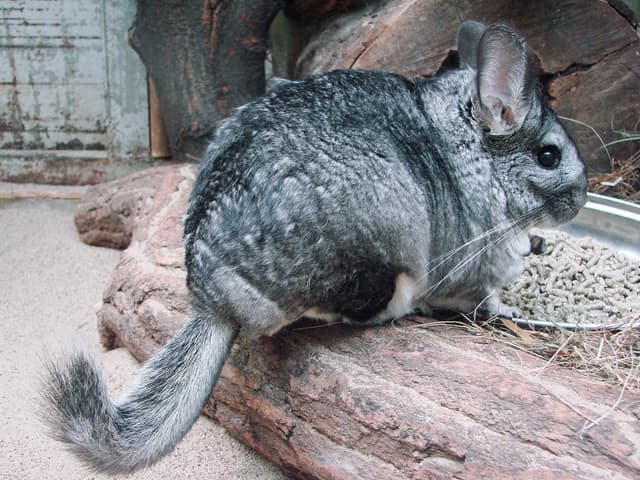
- Small and companion mammals, from guinea pigs and hamsters to ferrets and chinchillas.
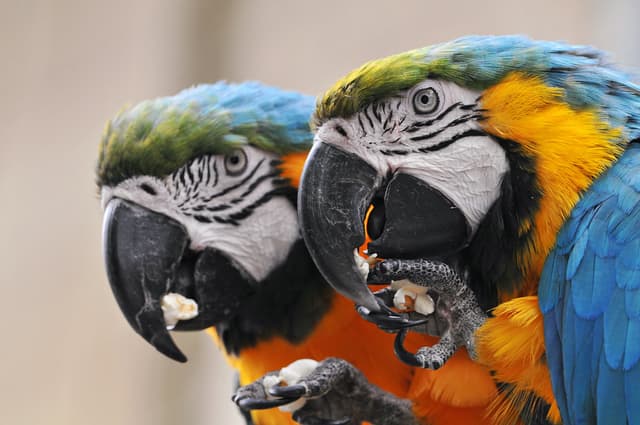
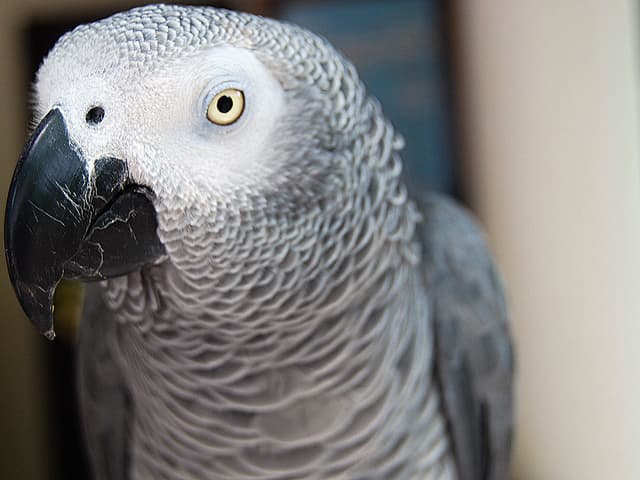
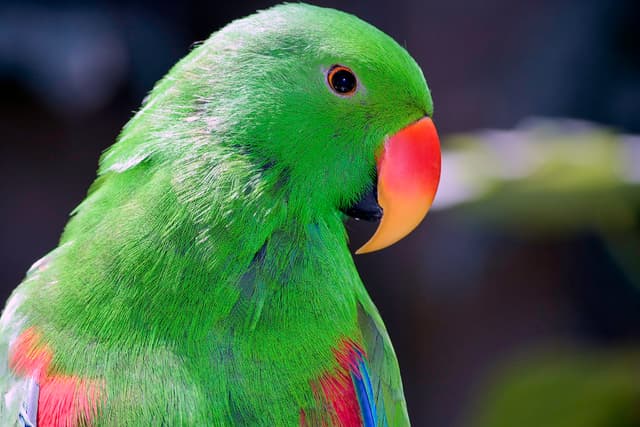
- Companion birds, including budgies, cockatiels and larger parrots like the African grey.
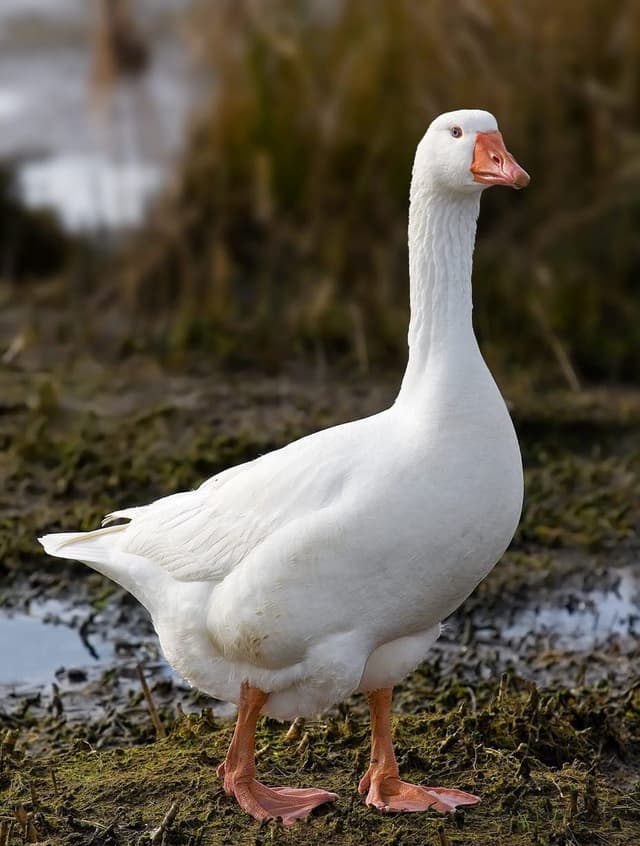
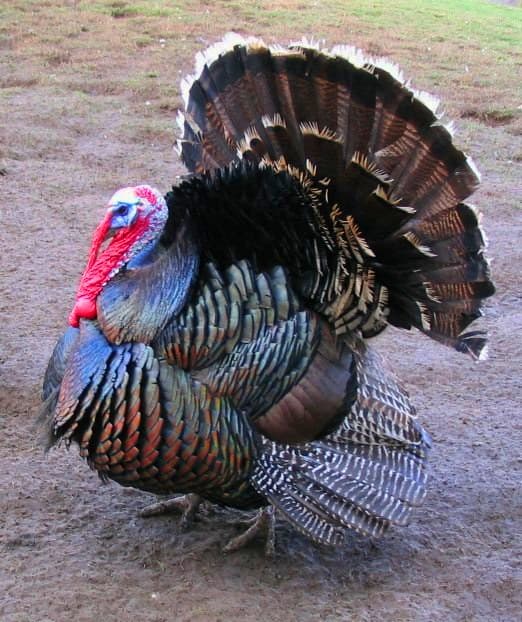
- Poultry and waterfowl such as ducks, quail and turkeys.
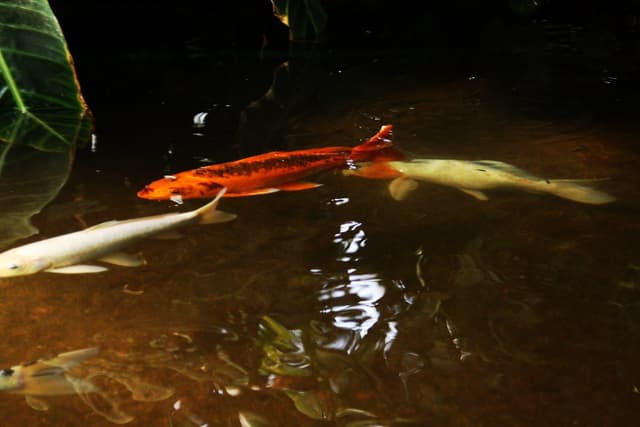
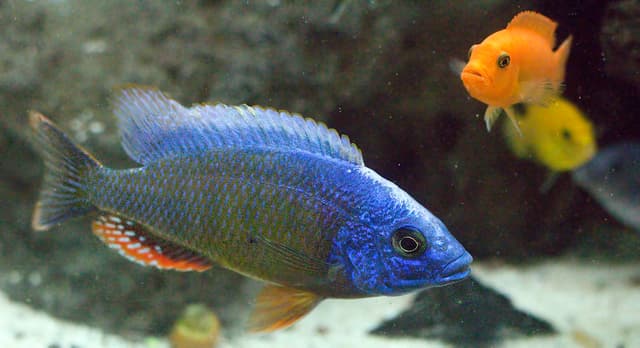
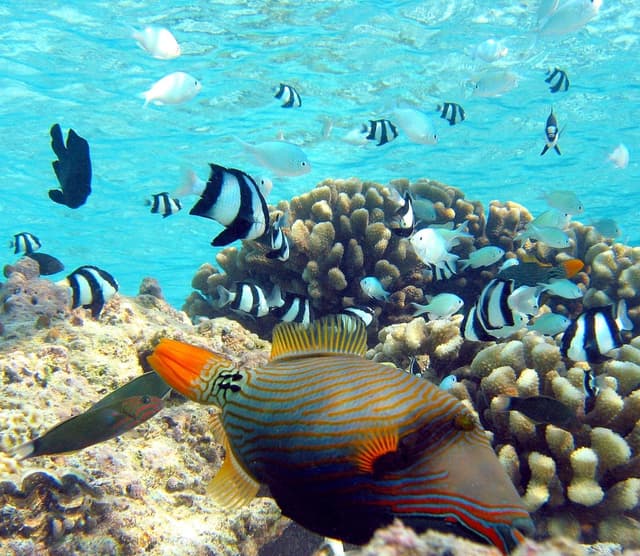
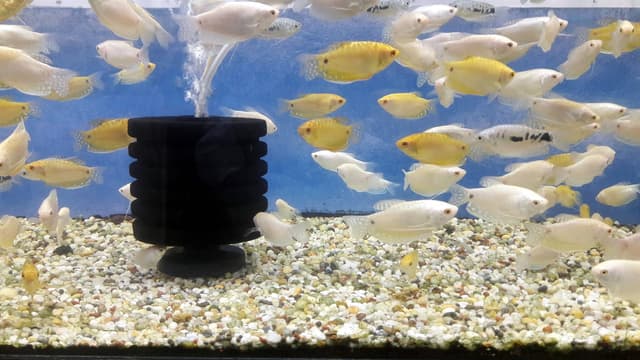
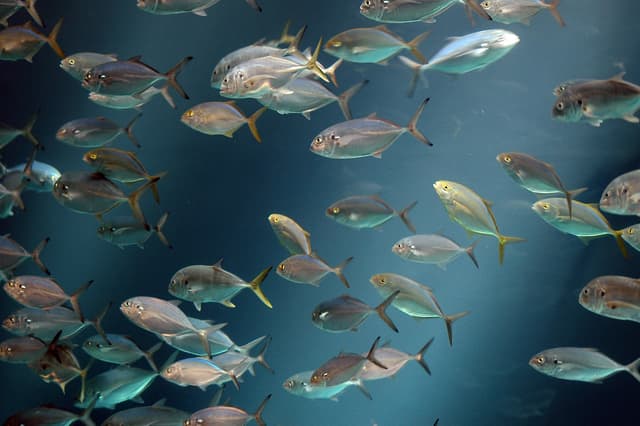
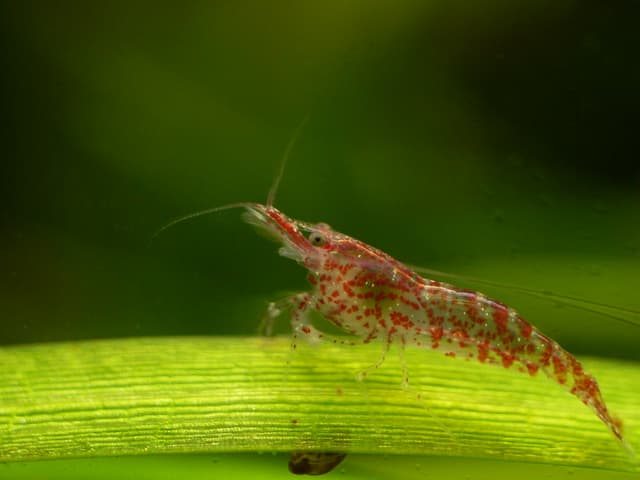
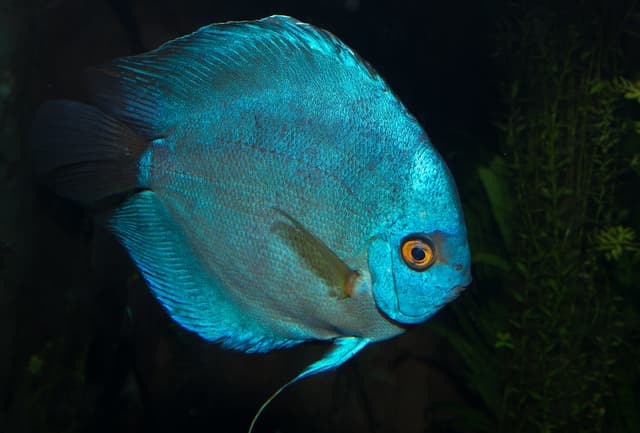
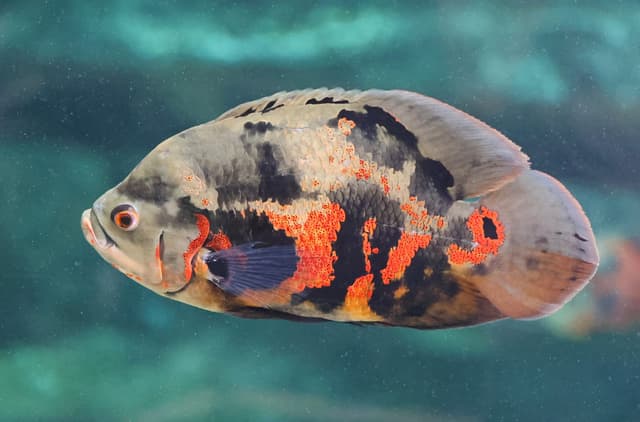
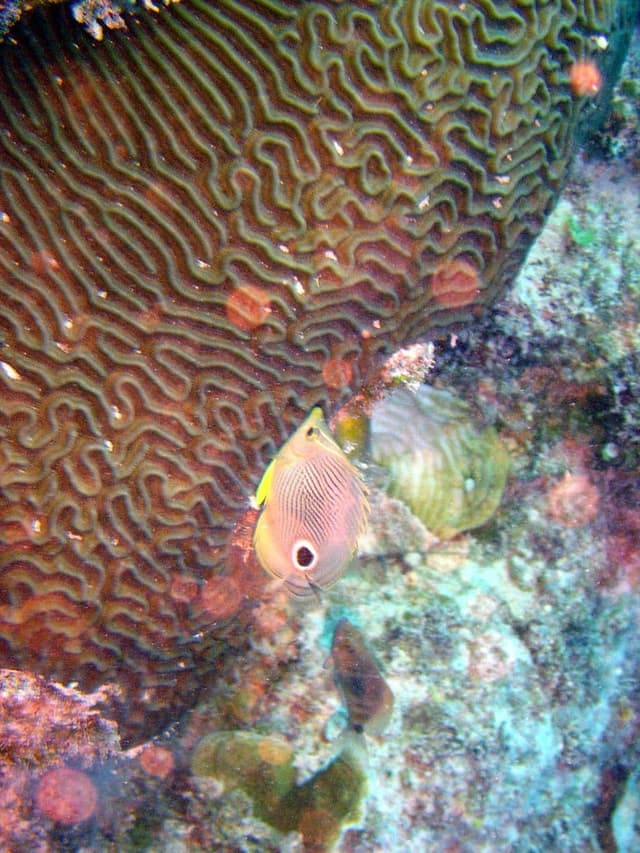
- Fish and aquatics, from koi to guppies and shrimp.
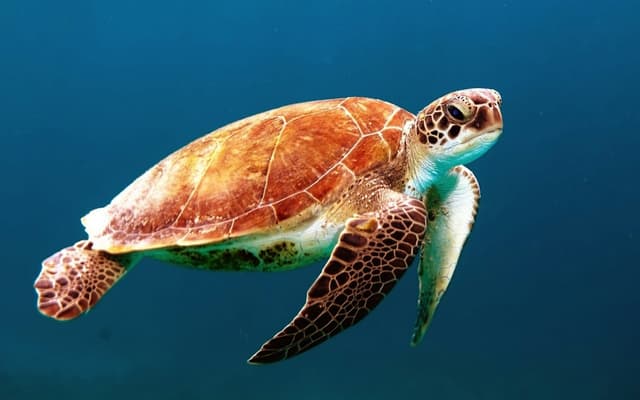
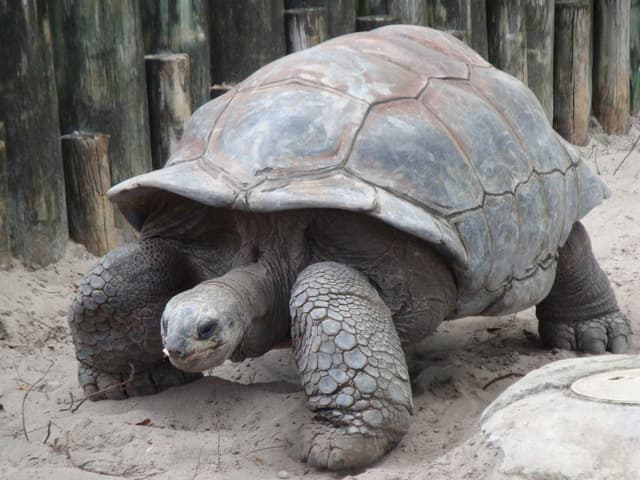
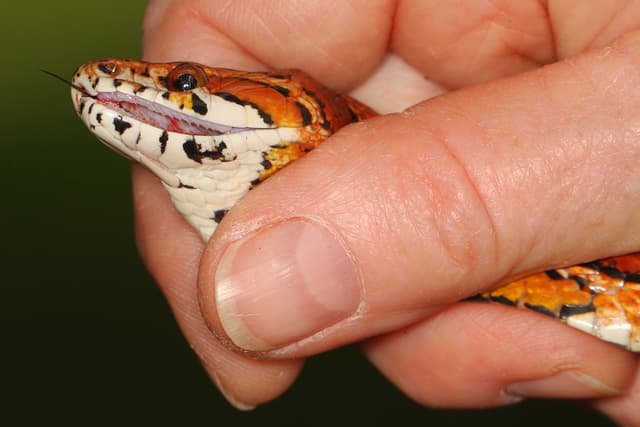
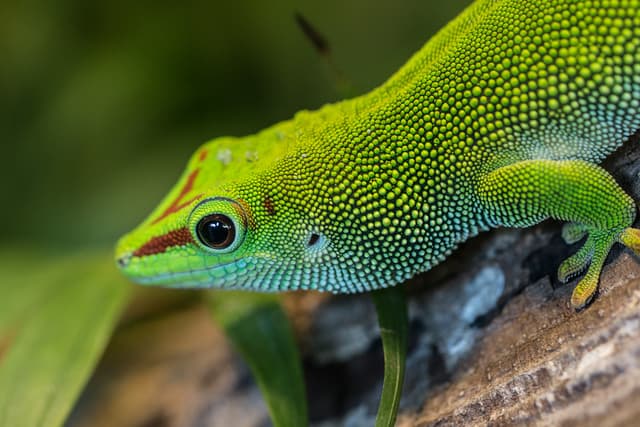
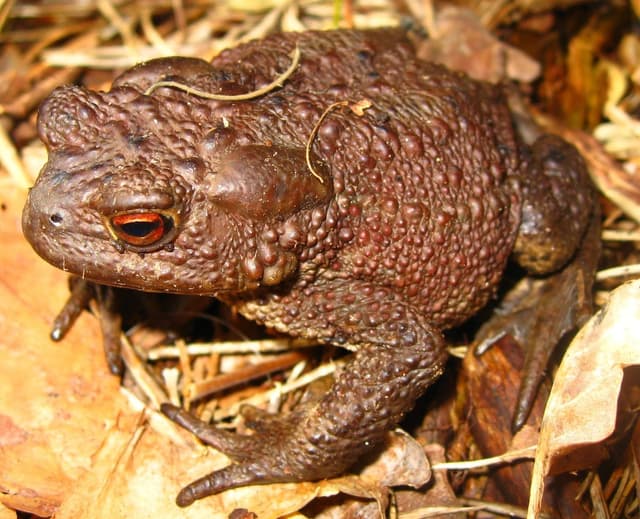
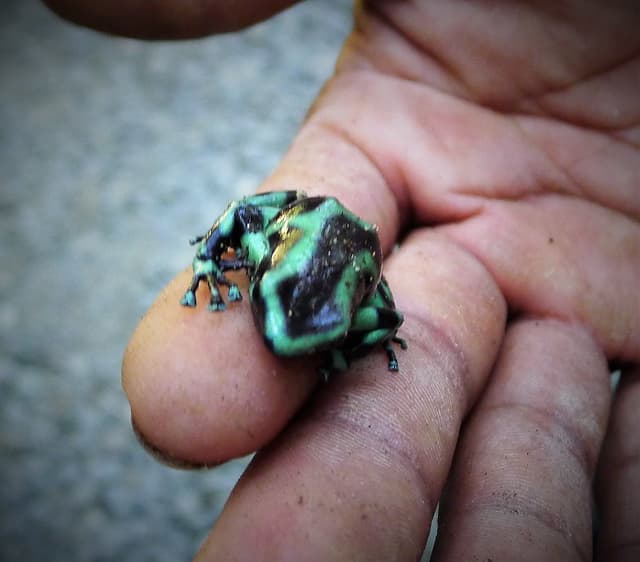
- Reptiles and amphibians, like the ball python, tortoise and dart frog.
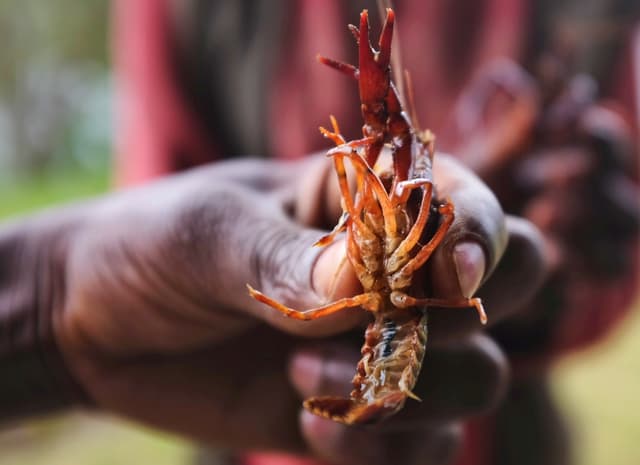
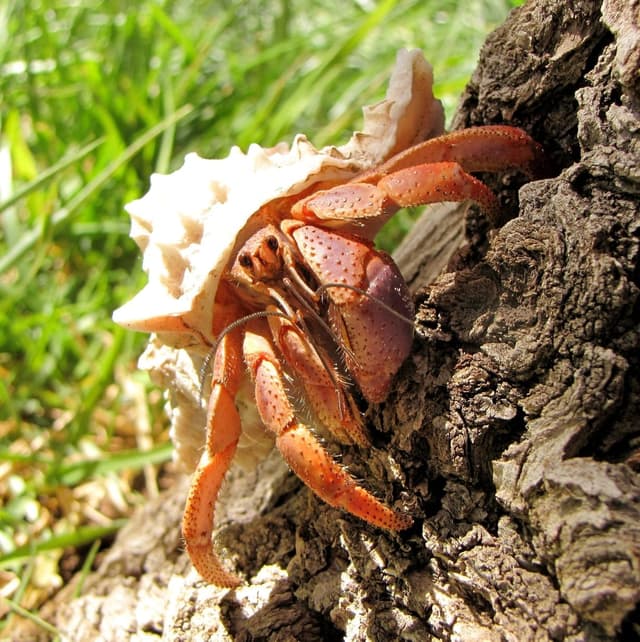
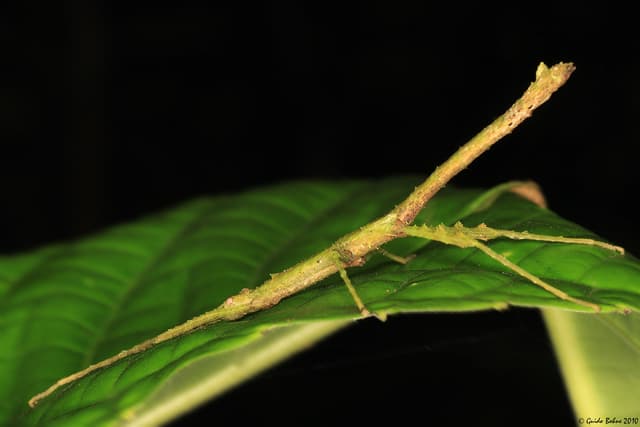
- Exotics and invertebrates, including tarantulas, hermit crabs and stick insects.
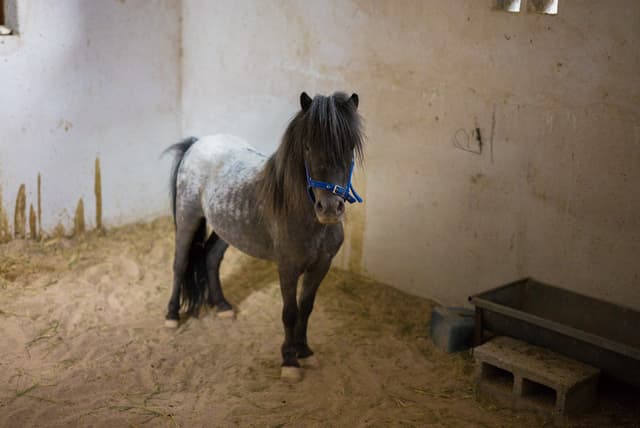
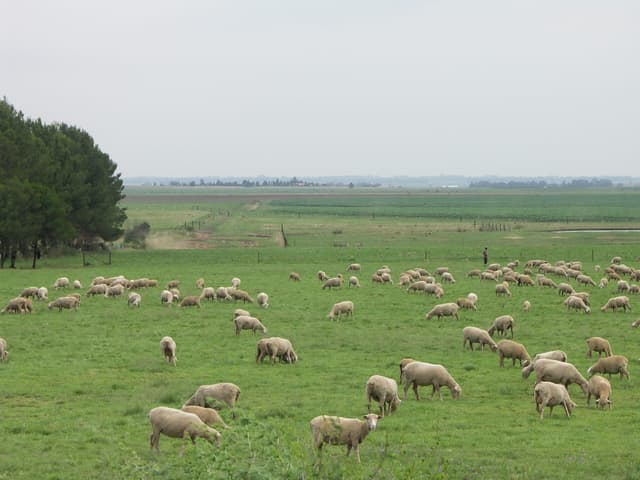
- Farm and equine animals, from horses and goats to alpacas.
If you keep several kinds of animal, the general and multi-pet tools cover the questions that cut across species, such as comparing costs, planning introductions or converting medicine units.
A note on accuracy
The tools are only as good as the data behind them, so we keep that data species-specific and cite where it comes from. Even so, every result is an estimate. Animals are individuals, and a vet who has examined yours will always know more than a formula. Use the tools to understand where you stand, spot changes early and go into appointments with better questions. That is what they are for.